Technical/Integration
Fulfillment API Integration
Eterneva·2024
200+ hours saved annually across 800+ fulfillment events
Situation
Eterneva's operations team was manually copying customer and order data between Salesforce (CRM) and ShipStation (shipping platform), spending approximately 15 minutes per welcome kit on repetitive data entry. With order volume growing, this wasn't scalable.
Task
Deliver an internal tool that connected these systems, ensuring data integrity and handling edge cases like partial shipments and returns.
Action
- Mapped end-to-end data flow across both systems, documenting required fields and transformation logic
- Defined API requirements and wrote technical user stories with edge-case handling
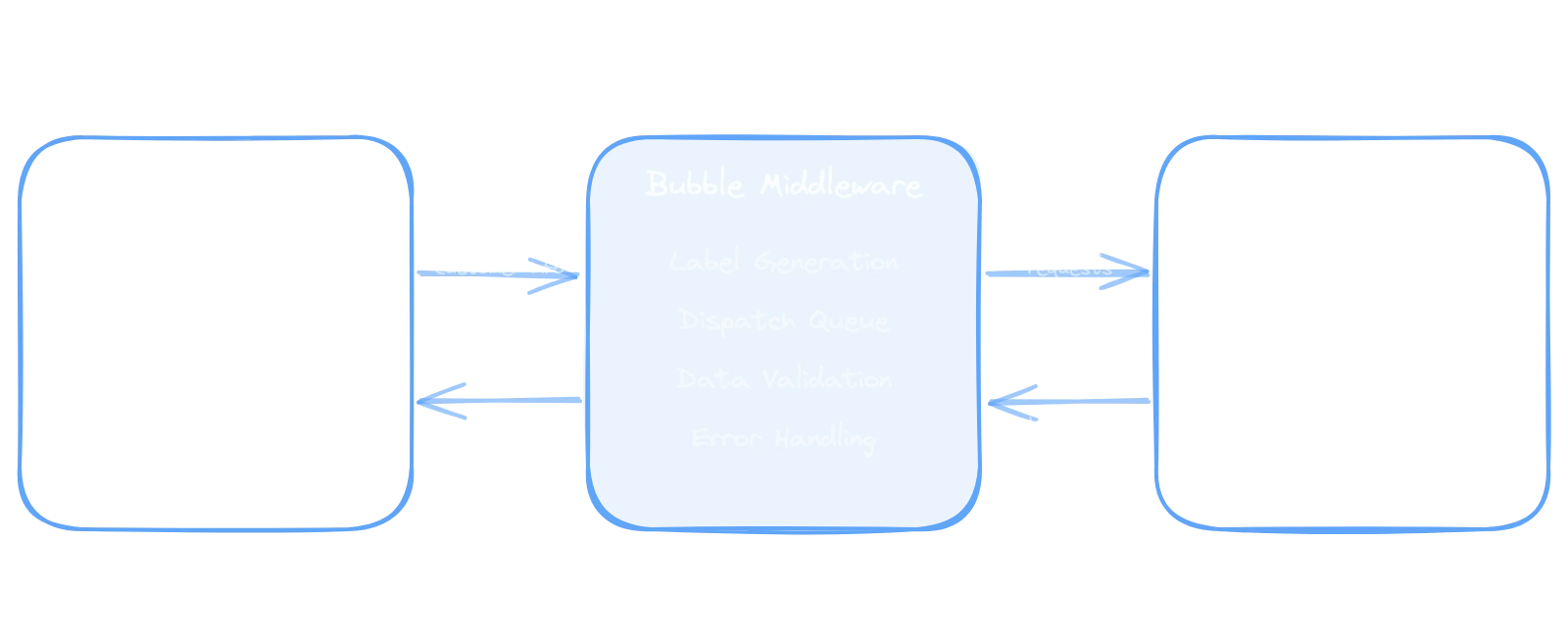
- Partnered with no-code developer to build the integration in Bubble using REST API calls
- Created error handling workflows for API failures and data validation
- Wrote internal documentation and trained ops team on the new workflow
Result
Saved an estimated 200+ hours annually across 800+ fulfillment events. The tool enabled the shipping team to auto-generate shipping/return labels, pull order data from Salesforce, print internal control labels, access a daily dispatch queue, and auto-update Salesforce on shipment.
Key Learnings
- PMs who can read API docs unlock massive efficiency gains
- Error handling is as important as the happy path
- Internal tools deserve the same requirement rigor as customer-facing products