AI User Story Agent
350+ stories across 3 brands and 5 platforms, ~70% faster drafting
Situation
At Marriott Vacations Worldwide, authoring ~350 user stories with detailed acceptance criteria, dev notes, Figma references, and Aha! requirement links was time-intensive. Each story required a consistent structure: standardized naming, Gherkin acceptance criteria, screenshots, and cross-references. Maintaining quality and consistency across a large enterprise backlog was a manual bottleneck.
Task
Build a tool to accelerate and standardize user story creation from existing design and requirements artifacts, reducing repetitive formatting work while maintaining quality standards.
Action
- Identified the repetitive pattern in story creation and proposed building a custom AI agent to automate the structured drafting
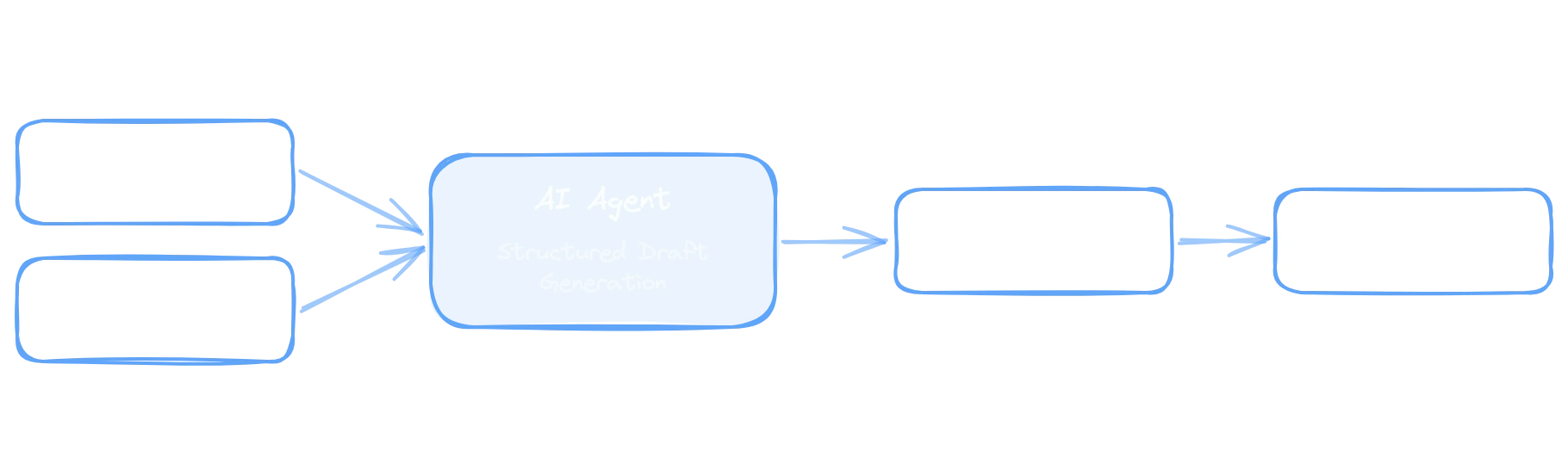
- Built a custom AI agent that ingested Figma mockup screens, Aha! functional requirements, and initiative specs
- Configured the agent to generate structured drafts including standardized naming, 'As a / I want / So that' descriptions, Gherkin acceptance criteria, dev notes, screenshots, and linked references to Figma designs and Aha! requirements
- Established a refinement workflow where AI-generated drafts were reviewed, adjusted, and created in Jira
Result
Reduced story drafting time by ~70%, reclaiming an estimated 6 work-weeks over 7 months. The agent handled the repetitive formatting and cross-referencing across 350+ stories, 3 brands, and 5 platforms, freeing time for requirements analysis and stakeholder collaboration.
Key Learnings
- Automating the structured, repetitive parts of story writing lets PMs focus on the analysis and collaboration that actually requires judgment
- Custom AI agents are most effective when given a narrow, well-defined task with clear input/output formats
- AI-assisted workflows still need a human refinement step to catch context that the tool misses